Renting Out a Studio Apartment in Ljubljana: How to Set the Right Rental Price
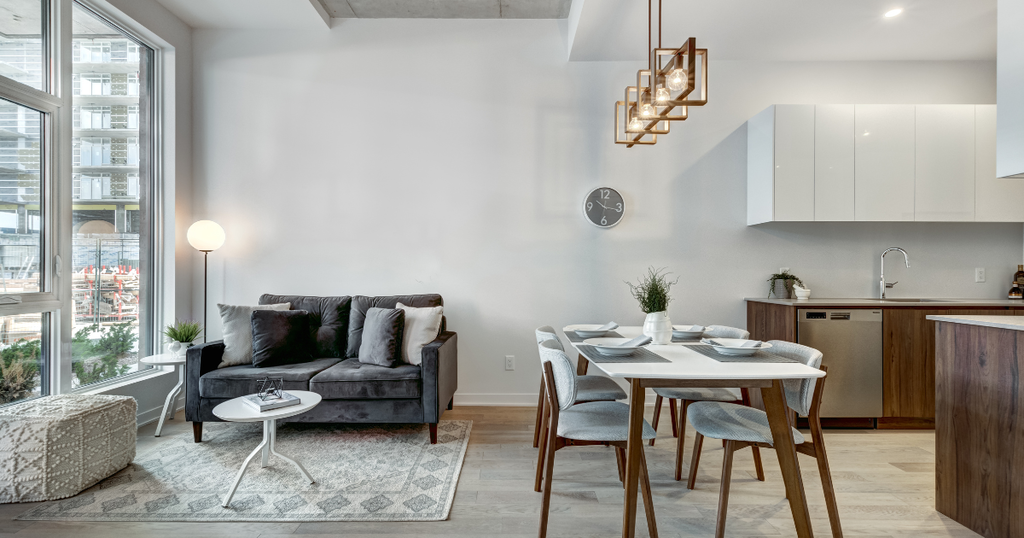
Although it may seem that a studio apartment in Ljubljana practically rents itself, the reality is somewhat different. One of the most common mistakes property owners make is setting the wrong rental price. If the rent is too high, the property may remain vacant for weeks or even months, resulting in lost income. If the rent is too low, the apartment may be rented out quickly, but the owner will lose potential revenue over the long term. The right rental price is therefore a balance between location, property condition, furnishings, market demand, and the quality of the tenant.
Why Setting the Right Rental Price Matters
A well-priced rental directly affects how quickly a property is leased, the number of inquiries it receives, and the type of tenants it attracts. Naturally, most landlords aim to achieve the highest possible rent, but the highest price is not always the best strategy. If a studio apartment remains vacant for too long, the financial loss can easily outweigh the benefit of charging a slightly higher monthly rent.
The logic is simple. If the rent is set too high and the apartment sits empty for a month, that loss is difficult to recover. In many cases, it is more beneficial to set a realistic price and secure a reliable tenant than to wait for the perfect offer while insisting on an unrealistic rent.
The ideal rental price should be attractive enough for the market while still providing the owner with a worthwhile return. This does not necessarily mean offering the lowest price, but rather one that accurately reflects the property's true market value.
Location Is the Most Important Factor
When renting out a studio apartment in Ljubljana, location is one of the most influential factors. A studio apartment in the city centre will command a different rental price than a similar apartment on the outskirts, even if both are comparable in size and furnishings. Tenants searching for smaller apartments typically prioritise convenience, making proximity to public transport, universities, workplaces, shops, and the city centre particularly valuable.
Among the most desirable areas are the City Centre, Bežigrad, Vič, Šiška, Trnovo, the area surrounding the Ljubljana University Medical Centre (UKC), university campuses, business districts, and major transport connections. A strong micro-location can significantly increase interest in a studio apartment. It's not only the district that matters, but also the specific street, accessibility, traffic noise, parking availability, building maintenance, and the overall sense of safety.
When determining the rental price, owners should compare their apartment with similar properties in comparable locations. Comparing a property on the outskirts with premium apartments in central Ljubljana is not realistic. Likewise, owners should not underestimate the value of a well-maintained apartment simply because it is smaller.
Functionality Matters
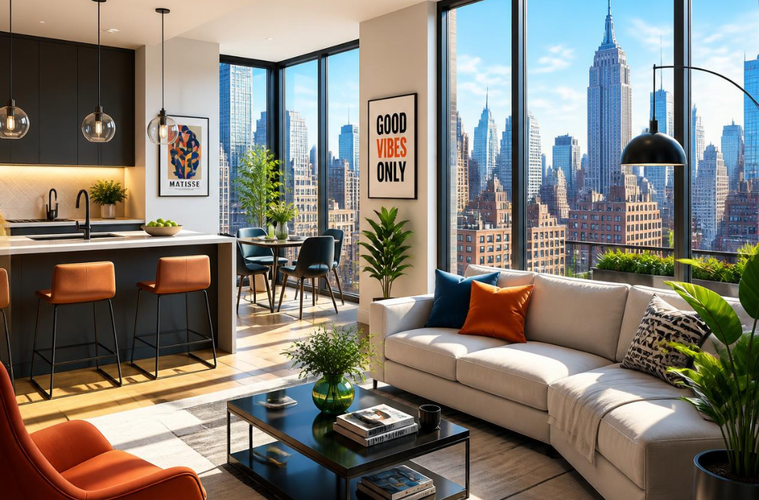
For studio apartments, square footage alone does not determine value. Two apartments of the same size can offer completely different living experiences. One may feature an efficient floor plan, abundant natural light, a separate sleeping area, a balcony, and practical storage solutions, while another may feel dark, poorly designed, and cramped.
Prospective tenants notice these differences immediately. A well-designed layout often justifies a higher rental price because it provides a more comfortable living environment. Ideally, a studio apartment should clearly separate its living area, sleeping space, kitchen, bathroom, and storage. If everything feels crowded and disorganised, demand is likely to decrease.
Additional features such as a balcony, terrace, basement storage unit, private parking space, or elevator can also increase the rental value. For smaller apartments, these extras often make a significant difference in everyday usability.
Furnishings and Property Condition Influence Demand
The quality of furnishings plays a major role in successfully renting out a studio apartment. Most tenants looking for a studio in Ljubljana expect at least basic furnishings, including a kitchen, essential appliances, a bed or sofa, wardrobes, a dining table with chairs, and a well-maintained bathroom. If the apartment is modern, clean, and functional, it can justify a higher rental price.
Luxury furniture is not essential. What matters most is that the furnishings are practical, well-maintained, and suitable for everyday living. Worn-out furniture, an uncomfortable mattress, outdated appliances, or a neglected bathroom can reduce interest even if the apartment is in an excellent location.
Tenants evaluate the overall impression. A bright, clean, and well-presented apartment typically generates stronger interest, while a neglected property often leads to price negotiations. Before advertising a studio apartment, it is therefore worth making minor improvements such as repainting walls, repairing small damages, replacing worn-out elements, improving lighting, and investing in professional real estate photography.
Comparing Similar Properties on the Market
One of the best ways to determine the appropriate rental price is by comparing similar properties currently available on the market. Owners should compare their apartment only with studio apartments that have a similar location, size, furnishings, building condition, and rental terms.
Published asking prices should also be interpreted carefully. An advertised price does not necessarily reflect the amount a property will actually achieve. Some listings remain online for months simply because the rent is too high. Monitoring how quickly comparable apartments disappear from the market and how much interest they receive provides a much more accurate indication of realistic pricing.
It is equally important to distinguish between advertised rents and actual achieved rental prices. This is where an experienced real estate agency offers significant value, thanks to its understanding of the market, tenant demand, and real transaction data.
Who Is Your Ideal Tenant?
Before setting the rental price, every landlord should consider the type of tenant they wish to attract. Students usually look for affordable, practical apartments with good public transport connections. Young professionals often prioritise modern furnishings, stable long-term rentals, and convenient locations. Business tenants and international professionals may be willing to pay more for a well-equipped apartment in a prime location.
Different tenant groups have different expectations. If your goal is to secure a reliable long-term tenant, setting the highest possible rent may not be the best strategy. On the other hand, if the apartment is exceptionally well furnished and suitable for executive or corporate rentals, a higher rental price may be justified.
Both the listing and the rental price should be tailored to the intended target audience. A generic advertisement aimed at everyone is rarely the most effective approach. Clearly defining your ideal tenant allows you to present the property more successfully.
Why the Highest Possible Rent Is Not Always the Best Choice
When renting out a property, the monthly rent is only one part of the equation. Stability is equally important. A reliable tenant who pays rent on time, takes good care of the property, and plans to stay for several years is often more valuable than someone willing to pay a premium price but likely to move out quickly or create problems.
An excessively high rental price can result in fewer inquiries, longer negotiations, and more frequent tenant turnover. Every change of tenant involves additional property viewings, cleaning, potential repairs, preparing a new lease agreement, and the risk of vacancy. In the long run, maintaining a realistic rental price and attracting a quality tenant is often a far better financial decision than insisting on the highest possible rent.
Property owners should always look at the bigger picture. Rental income is not measured solely by the monthly rent, but also by consistent payments, lower maintenance costs, fewer vacant months, and reduced stress. A rental property should provide long-term stability—not unnecessary headaches.