Energy Performance Certificate When Selling or Renting Property in Slovenia: What Owners Need to Know
What Is an Energy Performance Certificate?
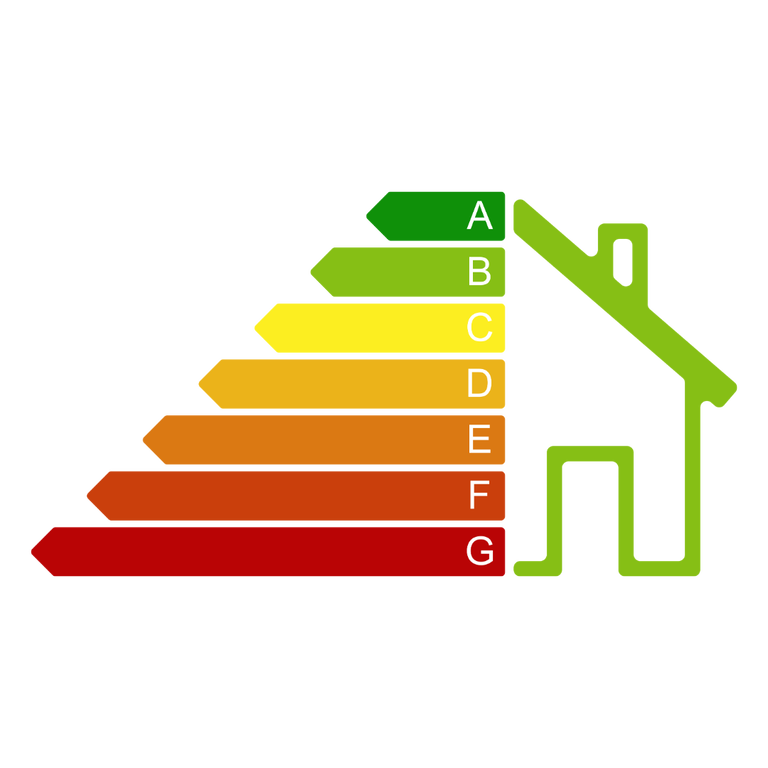
An Energy Performance Certificate, commonly referred to as an EPC, is an official document that shows the energy efficiency of a building or an individual part of a building, such as an apartment.
It helps property owners, buyers and tenants understand how much energy a property is expected to consume and how energy-efficient the building is.
When selling or renting property in Slovenia, an Energy Performance Certificate is more than an administrative formality. It provides valuable information that may affect:
- expected living expenses,
- heating and energy costs,
- indoor comfort,
- the market value of the property,
- and possible future renovation requirements.
Before advertising a property for sale or long-term rent, the owner should therefore check whether an EPC has already been issued, whether it is still valid and whether its information accurately reflects the current condition of the property.
When Is an Energy Performance Certificate Required in Slovenia?
As a general rule, an Energy Performance Certificate is required when a property is sold or offered for long-term rent in Slovenia.
Its purpose is to provide a prospective buyer or tenant with basic information about the property’s energy efficiency before they make a final decision.
Owners should arrange or verify the certificate early in the process. When selling a property, information about its energy performance should normally be available during the advertising stage—not only immediately before the sale and purchase agreement is signed.
This means that the EPC should be considered before the property advertisement is published.
An Energy Performance Certificate is particularly relevant when:
- selling an apartment,
- selling a house,
- selling commercial premises,
- renting out a property on a long-term basis,
- or providing a buyer or tenant with a clearer understanding of expected energy consumption and running costs.
In practice, many owners only think about the certificate after they have already found a buyer. This can unnecessarily delay the transaction.
It is therefore better to check whether an EPC already exists—or arrange for a new one to be issued—as part of the initial preparation for selling or renting the property.
Why Is an Energy Performance Certificate Important for Property Owners?
For property owners, an Energy Performance Certificate is important for three main reasons:
- compliance with applicable requirements,
- greater trust among buyers and tenants,
- and a more professional presentation of the property.
Today’s buyers no longer consider only the location, size and asking price. They are increasingly interested in:
- expected monthly running costs,
- the quality of the windows,
- thermal insulation,
- the heating system,
- overall energy consumption,
- and the possibility of future energy renovation.
The same applies to tenants, particularly when monthly utility and heating costs may significantly affect their decision.
If a property has strong energy performance, this can become an important selling point. If its energy performance is less favourable, it is still better to present the information transparently and accurately.
Clear information during a property sale or rental reduces the risk of misunderstandings later in the transaction.
What Information Does an Energy Performance Certificate Provide?
An Energy Performance Certificate shows how energy-efficient a building or apartment is. It includes information about energy use and may also contain recommendations for improving the property’s energy performance.
For buyers and tenants, the most important questions are usually practical:
- Will the property be warm during winter?
- Are the heating costs likely to be high?
- Is the building properly insulated?
- Have the windows been replaced?
- What type of heating system is installed?
- Will a major energy renovation be required in the future?
- Is the property financially sustainable to maintain over the long term?
An EPC does not provide a complete assessment of living quality. However, it is an important indicator.
Together with a physical viewing, utility cost information, the condition of the building and the available property documentation, it helps a prospective buyer or tenant form a more realistic picture of the property.
What Does an Energy Performance Certificate Mean When Selling Property?
When selling property in Slovenia, the Energy Performance Certificate primarily contributes to a more transparent sales process.
A buyer wants to understand exactly what they are purchasing. When buying an apartment in an older residential building, they may want to know:
- whether the building has undergone energy renovation,
- whether the façade has been insulated,
- whether the windows have been replaced,
- what type of heating is used,
- and what the actual monthly running costs are.
For newer properties, strong energy efficiency is often a significant selling advantage.
For older properties, the EPC can help the buyer estimate whether additional investment in insulation, windows, heating or other energy improvements may be required in the future.
Sellers should not hide or exaggerate the information shown in the certificate. A lower energy rating does not necessarily mean that a property cannot be sold successfully. It does, however, mean that the sales strategy should be realistic.
A less favourable energy rating may be balanced by other advantages, such as:
- an excellent location,
- a practical floor plan,
- private parking,
- an attractive view,
- a larger living area,
- a garden or terrace,
- or strong renovation and investment potential.
What Does an Energy Performance Certificate Mean When Renting Property?
When renting out property, the EPC is particularly important because it gives prospective tenants a better understanding of expected living expenses.
Tenants do not consider only the monthly rent. They also evaluate the total monthly cost of living in the property.
An apartment with lower rent but very high heating costs may be less attractive than a slightly more expensive apartment with lower energy consumption and more predictable utility bills.
When advertising a property for rent, it is therefore useful to clearly present:
- approximate monthly running costs,
- the type of heating,
- the energy condition of the building,
- and any recent energy-efficiency improvements.
For owners looking for reliable, long-term tenants, well-organised documentation is an advantage.
International tenants, corporate tenants and families often place particular value on clear and accurate information because it enables them to make a safer and more informed decision.
Does an Energy Performance Certificate Affect Property Value?
An Energy Performance Certificate can affect how prospective buyers perceive the value of a property, especially if they are considering long-term ownership.
An energy-efficient property may offer:
- lower energy costs,
- greater indoor comfort,
- more predictable monthly expenses,
- and a reduced need for major future investment.
However, the energy rating is not the only factor that determines a property’s market value.
The value of real estate also depends on:
- location,
- micro-location,
- property size,
- room layout,
- floor level,
- access to a lift,
- parking,
- the overall condition of the building,
- year of construction,
- legal status,
- furnishings,
- balcony, terrace or garden,
- and current market demand.
An EPC should therefore not be considered in isolation. It is an important part of the overall property assessment, but it is not the only criterion used to determine value.
What Does an Owner Need to Prepare for an Energy Performance Certificate?
To prepare an Energy Performance Certificate, the authorised expert will usually require basic information about the property and the building.
The exact documentation depends on the type of property, but commonly requested information includes:
- property address,
- details about the building or individual part of the building,
- year of construction,
- floor area,
- information about the heating system,
- information about windows and doors,
- details about thermal insulation,
- building plans, where available,
- information about renovations,
- and any available technical documentation.
An EPC may still be prepared even if the owner does not have every document available. However, the process is usually faster and more straightforward when the necessary information has been collected in advance.
Who Can Issue an Energy Performance Certificate?
An Energy Performance Certificate must be prepared by a qualified professional or authorised issuer.
A property owner cannot prepare the certificate independently.
It is important that the EPC is prepared correctly and entered into the relevant official register.
The register of Energy Performance Certificates is publicly accessible, which means that owners and other interested parties can check whether a certificate has already been issued for a particular building or part of a building.
This is especially useful for apartments in multi-unit residential buildings, where a valid certificate may already exist.
How Long Is an Energy Performance Certificate Valid?
An Energy Performance Certificate has a limited period of validity. Before selling or renting a property, the owner should check whether the existing certificate is still valid.
If the building has undergone a significant energy renovation since the certificate was issued, the owner should also check whether the information still reflects the actual condition of the property.
Relevant improvements may include:
- a new insulated façade,
- replacement windows,
- additional roof insulation,
- a new heating system,
- installation of a heat pump,
- or other major energy-efficiency upgrades.
This is particularly important when selling a property. Outdated or inaccurate information may present the property as less energy-efficient than it actually is.
Common Mistakes Property Owners Make
Problems involving Energy Performance Certificates usually occur not because owners are unwilling to arrange the necessary documentation, but because they address the issue too late.
The most common mistakes include:
- starting the sales process without checking the EPC,
- publishing an advertisement without the required energy information,
- failing to check whether a certificate already exists,
- not verifying whether the certificate is still valid,
- failing to update the documentation after a renovation,
- being unable to explain the certificate to a prospective buyer,
- and failing to clearly communicate expected energy costs when renting out the property.
Most of these problems can be avoided if the documentation is reviewed before the property advertisement is published.
How Can an EPC Become a Property Selling Point?
If a property has strong energy performance, this should be clearly included in the sales or rental presentation.
Depending on the property, the advertisement may highlight:
- lower heating costs,
- an energy-renovated façade,
- new energy-efficient windows,
- a modern heating system,
- underfloor heating,
- a heat pump,
- high-quality insulation,
- improved living comfort,
- and a reduced need for future investment.
These statements should always be supported by accurate information.
Property buyers quickly recognise the difference between concrete facts and generic marketing claims. Specific information creates greater trust and makes the property presentation more convincing.
What If the Property Has a Lower Energy Rating?
A lower energy rating does not mean that the property has no value.
Many older apartments and houses offer other important advantages, such as:
- an attractive location,
- a larger living area,
- high-quality construction,
- a practical layout,
- a garden,
- private parking,
- or excellent renovation potential.
In this situation, the property should be presented honestly and realistically.
The buyer should be shown which elements have already been improved and which improvements may still be possible. In the case of older houses, an energy renovation may even represent an opportunity for the buyer to adapt the property to their own needs and preferences.
The worst approach is to conceal the property’s disadvantages. In real estate, trust can be almost as important as the number of square metres.
Frequently Asked Questions About Energy Performance Certificates
Is an Energy Performance Certificate required when selling an apartment in Slovenia?
As a general rule, an Energy Performance Certificate is required when selling a property in Slovenia. The owner should ensure that the relevant energy performance information is available during the advertising stage.
Is an Energy Performance Certificate required when renting out an apartment?
An EPC is generally required for long-term property rentals. It gives the prospective tenant a better understanding of the property’s energy efficiency and expected living costs.
Can I sell a property without an Energy Performance Certificate?
Before selling, the owner should check whether an EPC is required for the specific property. Where it is required, the certificate should be arranged in time because the energy performance information may also be necessary for the property advertisement.
Where can I check whether an EPC already exists?
Information about issued certificates is available through the public register of Energy Performance Certificates. For apartments in multi-unit buildings, it is advisable to check the register before ordering a new certificate.
Does a better energy rating mean a higher property price?
A strong energy rating can support the property’s market presentation and may increase its appeal to buyers. However, the final price also depends on location, condition, layout, parking, the building itself and current market demand.
Does an Energy Performance Certificate show actual utility costs?
Not necessarily. The EPC provides information about the calculated or assessed energy performance of the property. Actual utility costs may also depend on the occupants’ habits, energy prices, indoor temperature and the way the property is used.
Should a new certificate be issued after an energy renovation?
If the building has undergone significant improvements, such as façade insulation, window replacement or a new heating system, it is advisable to check whether the existing certificate still accurately represents the property.
Arrange the Energy Performance Certificate Before Selling or Renting
An Energy Performance Certificate is an important part of the documentation required when selling or renting property in Slovenia.
It helps the owner present the property transparently and professionally, while giving the buyer or tenant the information they need to make a more informed decision.
The best approach is to check the EPC before publishing the property advertisement. This helps prevent delays, incomplete advertising information and unnecessary complications during the sales or rental process.
If you are considering selling or renting property in Slovenia, the STOJA real estate team can help you determine which documents are required, prepare a professional property presentation and manage the entire process safely and efficiently.
Selling or renting property in Slovenia? Contact STOJA to learn how to prepare the required documentation, property advertisement and sales strategy for a smooth and professionally managed transaction.